When my first daughter was little, I wanted her to know how to reach me in case of an emergency — but memorizing numbers wasn’t exactly a preschooler’s idea of fun. So I came up with a quick little hack that worked so well, I used it years later with my second daughter!
This simple activity helps kids see, say, and touch the numbers — hitting every learning style and making it stick. Best of all, it takes just a couple of minutes to make.
What You’ll Need
An old phone (disabled, or toy)
Round pricing stickers
Painter’s or masking tape
A marker
How to Make It
Stick the round labels where the numbers would be and write in the digits. (Bonus tip: draw the green phone/call icon at the bottom so kids learn to “press call.”)
On the back, add three strips of tape and write down:
Mom’s number
Dad’s number
911
life skills for kids
That’s it! Your child can now practice dialing anywhere — at home, in the car, or while waiting at appointments.
Once they’ve memorized your number, it’s one less thing to worry about. You’ll feel more at ease knowing they have the skills to reach you when it really counts — and they’ll feel so proud showing off their “grown-up” phone skills.
—
Need a fun story for 2-7-year-olds? Ringo Picked is a seriously silly story about a really good raccoon with a very bad habit!
Find the paperback/ebook/audiobook available here.
I was recently on the Investor Mama podcast to talk about easy ways to coach your kids through money and business topics in a fun way.
I shared seven conversation starters, and each takes just five minutes or less. You can easily start one of these conversations in the car, at bedtime, at bathtime, in the doctor’s office waiting room, or even sitting around the dinner table.
I recommend starting when your kids are in elementary school, but the great news is that these conversations apply to middle schoolers and high schoolers, too.
Before starting these conversations, I’d encourage you to read your kids some picture books on these topics. The Money Smart Kids series is a great place to start to help get their wheels turning about what it could look like to start their own business – as a kid!
To hear our full podcast conversation, with in-depth examples for each question, listen here (link coming soon).
Remember, these are just a starting place to learn and grow, no wrong answers!
Seven Questions to Get Your Kids Thinking Like an Entrepreneur:
Ask–If you had your own money, what would you buy?
This question creates immediate engagement and helps kids value what comes next. They could brainstorm a list and then pick their Top Three.
You could even help them estimate how much they would have to earn to buy their Top Three items.
This is also a great time to plant the seed about giving.
What type of charity would they want to give to? It can be a fun way to reveal what moves the heart of your child.
Then – get into questions about creating a business (questions 2-7)
2. Ask – If you were to start a business, what product or service would you sell?
Here you can discuss…
… products vs. services
… your child’s unique skill set and strengths (they will love hearing from you, and it’s fun to hear what they think their own best skills are)
…what could they make better? A special kind of roller skate, folding laundry, a service for kids to deliver snacks! All ideas are welcome.
3. Ask – Where would you sell XYZ?
Let them brainstorm locations– school, park, local craft faire, door-to-door. Then make sure to dive into the pros and cons of each (traffic, visibility, safety, cost, fun factor).
4. Ask – How would you let people know about what you are selling?
When I was in college I read something along these lines:
Selling without advertising is like a man winking at a woman in the dark, he knows what he’s doing, but she doesn’t have a clue!
Make it easy, give people a clue!
So how will your kids be bold and get the word out about their business?
Sign, flyers, talking to people 1:1, website, business cards, email, a short video text to family and friends…
Challenge your kids – how will you make your message short and exciting so that people will want to use your service or buy your product?
5. Ask – How much would you sell it for?
If your kids are younger, you may have to help with this one.
Have them think about how much their supplies will cost – for the product and advertising.
Then have them think about how much they want to make each time their product sells. Now add those two numbers together to get the price you will charge.
Example: $1 total in supplies and advertising, and I want to make $5 per item after expenses, so I need to sell each one for $6.
Have them wrap up with a gut-check:
Is that price reasonable for the item I’m selling?
Would I pay that much if I saw this item for sale?
6. Ask – If your product wasn’t selling, what would you do?
Ideas: Could change the location you sell it.
You could change the advertising message: What words and description would make the item more likely to sell? Handmade, one-of-a-kind, will solve XYZ problem.
Or do they need to keep pitching and then adapt their product based on feedback?
In the book How to Sell a Rock, all the neighbors say no – but Sebastian keeps adapting his product and message until he finds what his customers really want.
7. Ask – How will you make sure you have money left to buy more supplies?
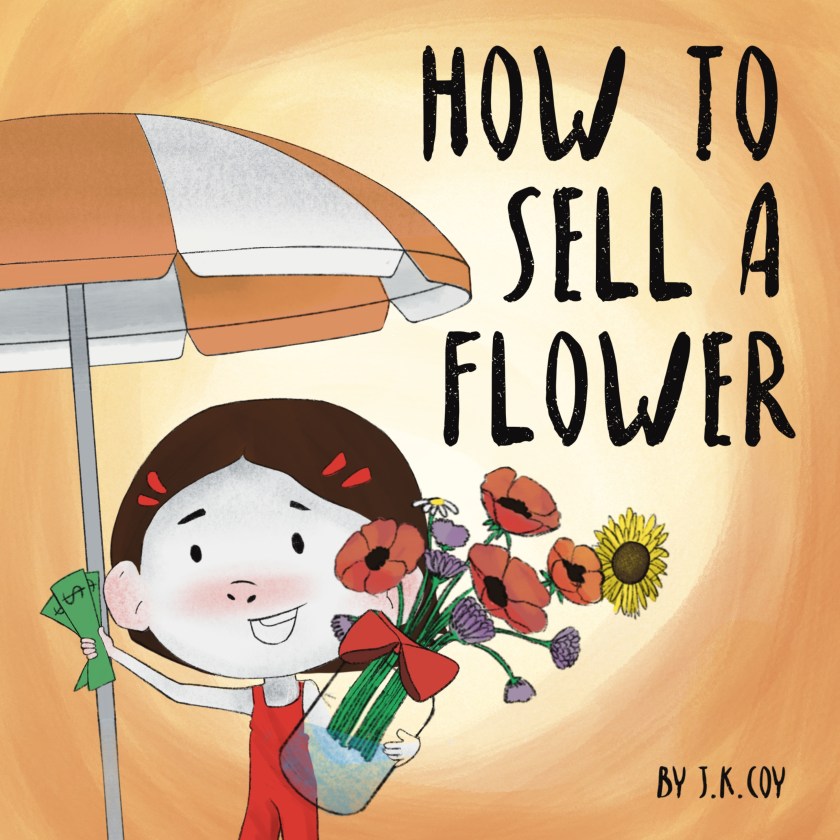
You can help them break their money into three buckets like Sophia did in the book How to Sell a Flower.
She used the three S’s for the money she earned from her business:
Supplies (short-term expenses)
Save (long-term expenses)
Spend (pay yourself and get some of the things you want + need for you)
Helping your kids have this responsible money mindset early on will help make sure they can stay in business and keep earning their own money!
One Final Ask:
Support these entrepreneur kids when you see them.
I once had two neighbor girls come to my door asking to walk my dog.
My dog is kind of a punk, so I didn’t want to put them in that situation. However, I saw their desire to make money, and I hired them to be mother’s helpers for the summer to entertain my girls while I worked from home. We all won!
Gives these kids the gift of practice: Engage in conversation, Give them at-bats to practice, let them work out the kinks, and then let them earn the money!
I’m not talking about Halloween, wearing flannel, or drinking Pumpkin Spice Lattes. I’m talking about my birthday, silly!
And every year around my birthday I like to take a day off and spend a good chunk of the day with me, myself and I.
I work out, I take myself to a slow lunch at a nice restaurant, I go to the beach, I go shopping, I think.
It’s always fun to see where my mind goes when I quiet the noise around me.
Last week, while on said birthday date, I took out pen and paper and jotted down a list of 30 creative writing prompts while enjoying a Spicy Thai Salad and Cucumber Collins.
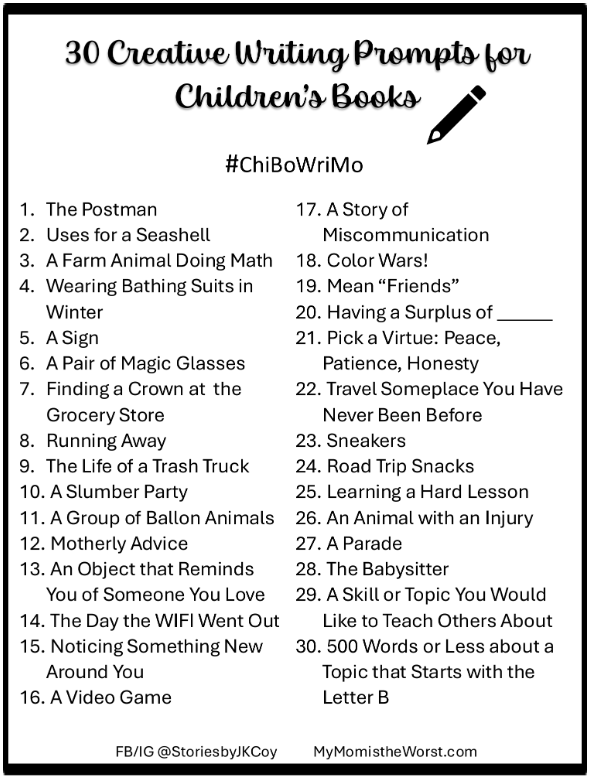
If you’ve been here long enough, you know that every November, I write 30 children’s stories based on short prompts to get the creative ideas flowing. I do this for a national challenge called Children’s Book Writing Month or #ChiBoWriMo. This is a spin-off of the long-standing challenge – #NaNoWriMo , but way more fun, in my opinion! 🙂
I like to share the list ahead of time for those that also want to challenge themselves to get in the habit of getting creative each day.
For me, the stories I write in November end up being the starting point for what gets published the following year.
For instance, my newest release How to Sell a Flower, was written last November and published this September.
Give yourself the gift of creativity by setting aside thirty minutes each morning to take a prompt and put pen to paper.
Please don’t take each prompt too seriously. These are meant to be rough (rough) drafts.
The more important aspect is to show up each day and challenge yourself to start each and every story.
Sometimes, it takes a while to get started. Don’t be afraid to sit with a prompt and twist it over in your mind for a bit. This specific part of the process may be more valuable than the actual story you come up with.
Think of it this way:
You will be building your creative muscle every single morning.
What a cool gift to give yourself!
(I’d rank it right up there with giving yourself the gift of alone time)
I love a good easy craft that I can do with my kids.
Bonus points when it’s something you are actually excited to keep around your house for weeks until the most wonderful time of year arrives – yes HALLOWEEN!
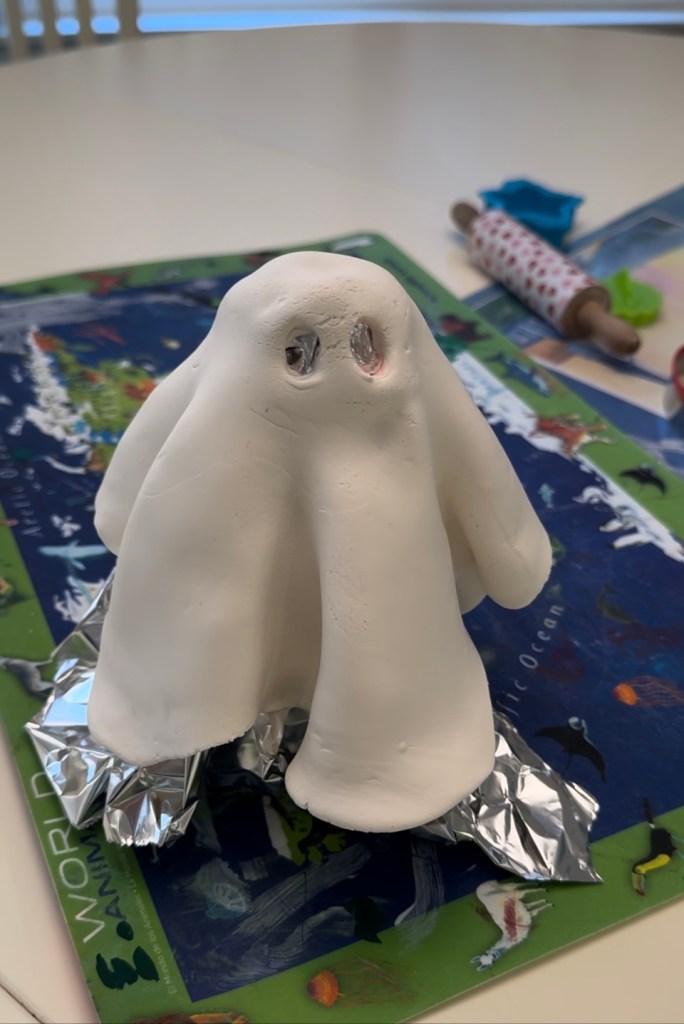
These little ghosts take about 30 minutes to make (plus dry time) and the supply list is minimal. Just make sure to consult below because we had to do a take-two after we bought the wrong kind of clay and ended up with a big mess and little ghosties in the trash. Bummer!
Ghostie with the Mostie
Supplies:
Crayola Model Magic Air Dry Clay (make sure to get this one. They make a different Air dry clay for pottery and you DON’T want that one).
A Rolling Pin
Placemat
Pencil
Spice Jar (empty or full is fine, it’s just to get the shape down)
Tin Foil
Foil over the spice jar, then overlay the clay
Steps:
Make a small ball of foil and place it on top of your spice jar. Then use a larger piece of foil to drape over the top of the ball and spice jar.
2. Grab your placemat and rolling pin. Roll out your clay pretty thin. It will need to cover your spice jar and reach the bottom of it.
3. Use a pencil to poke out some eyes. You will want to play with this part until the eyes look as you wish. You can also make a mouth if you prefer.
4. Let your cute ghost dry for 48 hrs.
5. gently lift off the tin foil and ghost from the spice jar
6. Leave as-is or paint your ghost.
I left mine white but my daughter decided to paint black spots on hers. Turns out this may have been foreshadowing since our family costumes have been decided and they include Dalmatians. Ruff, Ruff!
These ghosts are so simple that I think it would make a fun classroom project this Fall.
So you have an idea for a children’s book. A very good one I’m sure. Now what? I want you to take one morning and write it down. A super rough draft is fine, but get it down on paper or typed on your computer.
Guess what I am going to challenge you to do next? Write 30 more stories. What? Your goal was one. I know, I know. But this will be fun. Stick with me.
Let your story sit for a month and write some other stuff you didn’t plan on. It’s a good exercise to get your creative juices flowing, and will make you a better writer when you go back to your first story and write draft number two.
Every November writers work on completing a novel in one month (#NaNoWriMo), and us children’s book writers engage in #ChiBoWriMo – where we write a short story a day in November.
Grab your notebook and pen, and schedule in 30 minutes a day in November to use the list of story prompts below to take you from blank page to rough draft in about 30 minutes.
Stick to it! You will be amazed by the book of stories you end up with. You may even find a new favorite. But even if you head back to your original idea, you will be 30x the writer you were just a month ago!
Think of this as your permission from the universe to write.
Each November I participate in a challenge with a daily goal of writing one children’s book a day. Yes, some of the stories stink, most really. But there are always a few bits of magic in there. And those little gems are the ones I try to massage later in to stories worth publishing.
The key is to do the massaging once the month is over. Having a perfect story by month end is not the goal. Creating thirty totally new stories is.
Here’s how the challenge works:
Set aside thirty minutes a day, for 30 days straight
Use one writing prompt, found below, per day
You can go in order, or skip around, but finish every one – even the ones that don’t inspire you at first glance, because you want to stretch yourself to take on new subjects, perspectives, and ideas
Use the hashtag #chibowrimo on social media to see what others are writing
Don’t overthink it. Just print out the list of prompts, put it by a fresh notebook and pen, and set a reminder on your phone to get started on Nov. 1st.
If you want some other prompt options check out these, and pick your favorite.
The universe is ready to hear your stories. It’s time to let them out.
30 Stories in 30 Days, Children’s Book Writing Prompts:
A story about a backpack full of…
A story about an epic hike
A story about a cell phone that only calls one person
A story about an animal that lives abroad (ie: a pigeon in Paris)
A story about a kidpreneur that makes money for someone in need
A story about the Worst Teacher Ever
A story that uses alliteration. Pick a letter of the alphabet before getting started.
A Story about a topic kids find hilarious
A story about caring for grumpy people or animals
A story about how to clean a big mess
A story about Plan B being better than Plan A
A story about caring for something small and fragile
A story about a person with an embarrassing secret
A story about your new world record in…
A story about a letter that gets lost in the mail and found again a year later
Free Day, YOYO (Your on Your Own)
A story about a Holiday with a twist
A story about an adult that needs help from child
A story that is a song, or has a rap in it, to teach something new
A story about a train carrying a special surprise
A story that is under 100 words
A story about a magical item of clothing
A story that is non fiction (but still interesting)
A story about going to sleep
A story that is a sequel to something else your wrote
A story about finding $100 and having an internal debate about what to do with it
A story about how you stopped the “bad guys”
A story about how to stop anger in the world
A story about being the first kid on the moon
A story that includes Halloween, Thanksgiving, and Christmas – bonus points for New Years too!
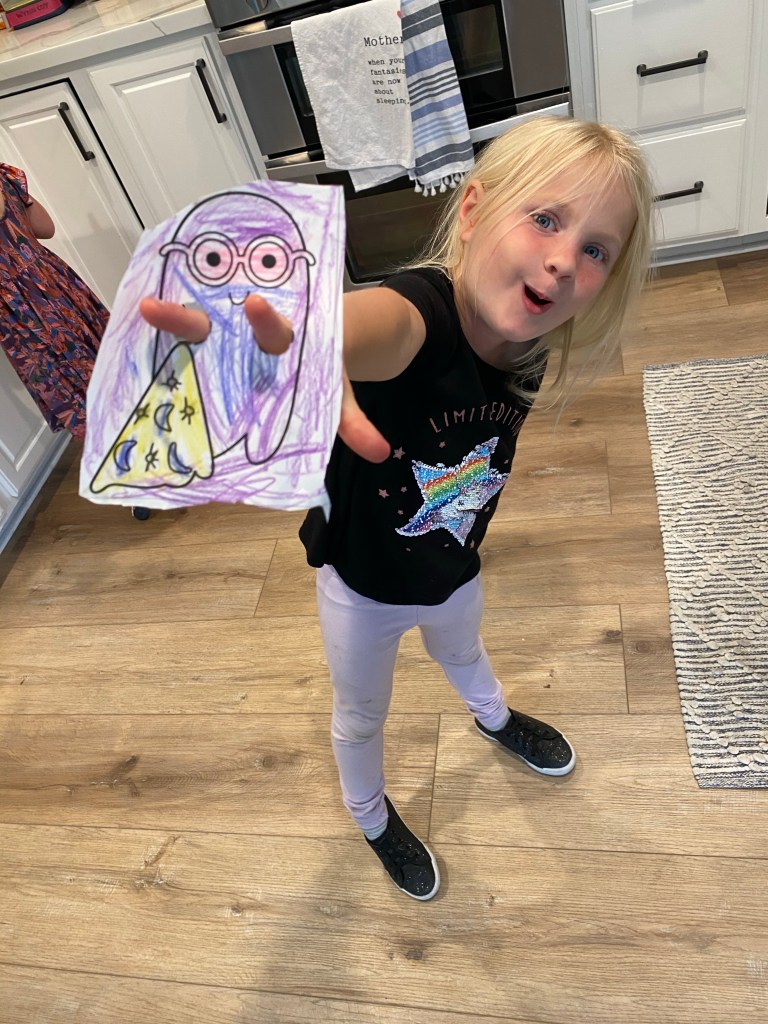
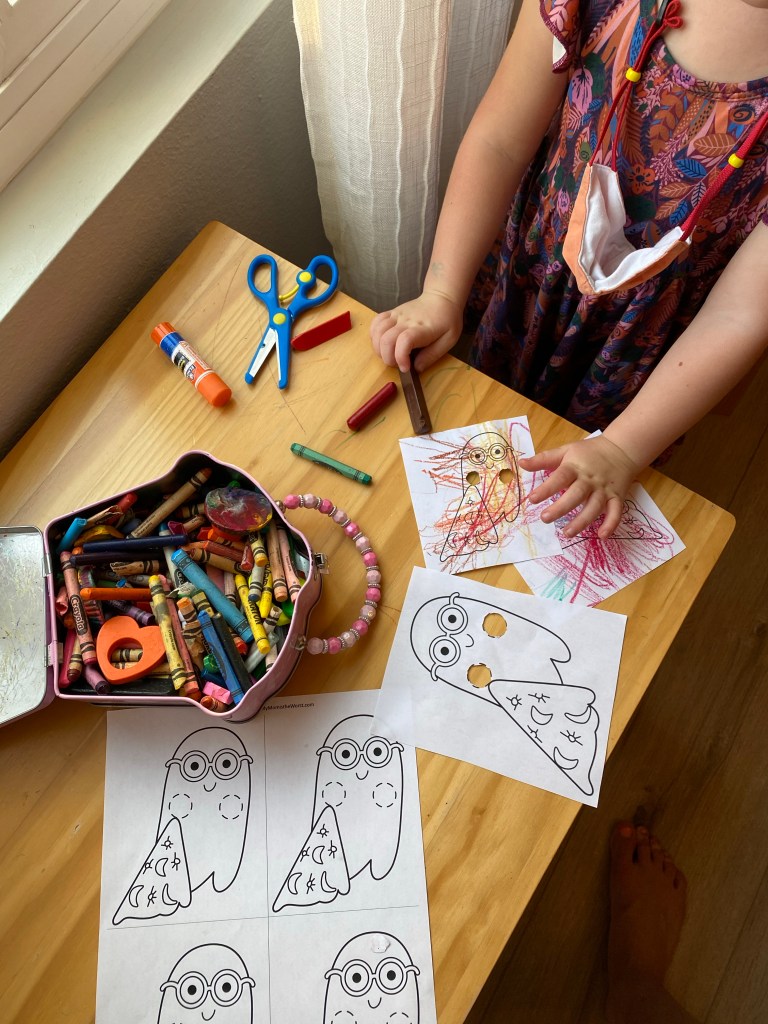
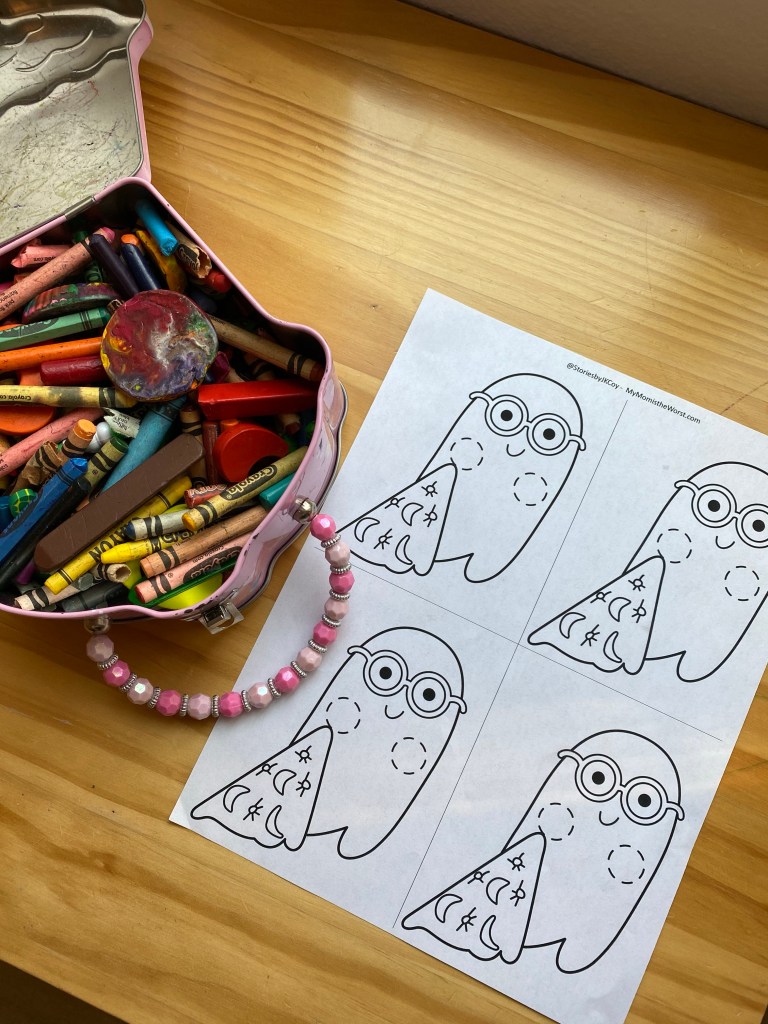
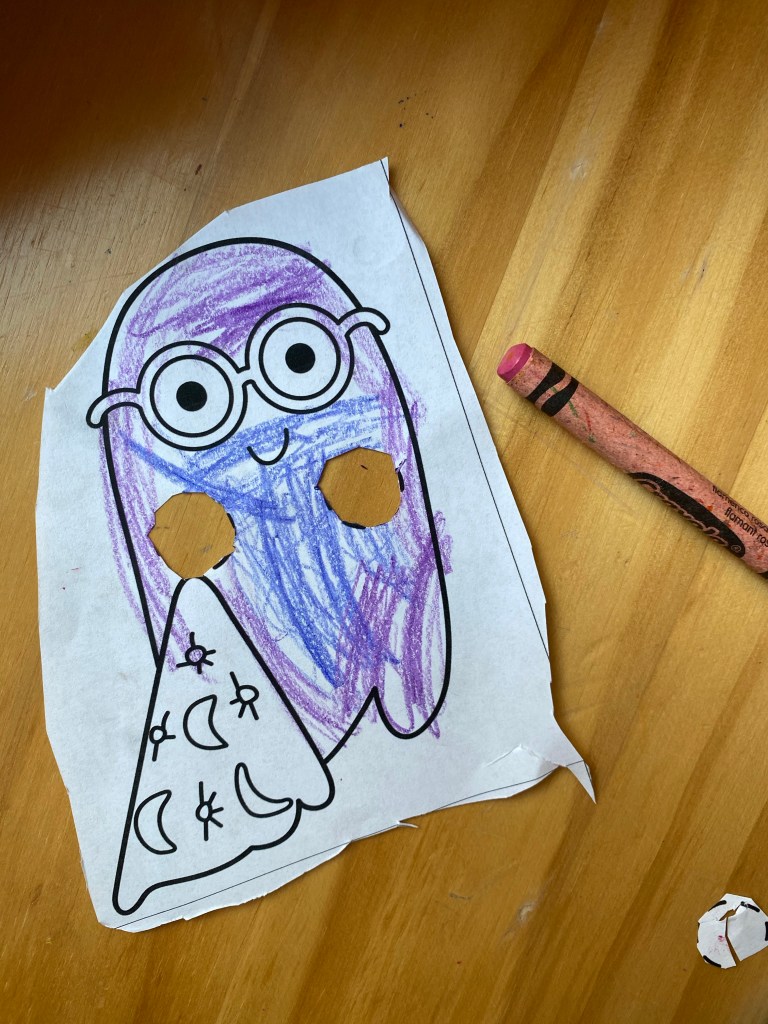
Just print, color, and cut – to make your own little ghost finger puppets!
I printed on regular paper, but you could also use cardstock if you want to make the puppets more durable.
Suddenly, every weekend in October is booked with a birthday (including mine)! Books make great birthday gift for all ages, but especially kids. Parents really enjoy that a great book is one less large, colorful toy to house and trip over.
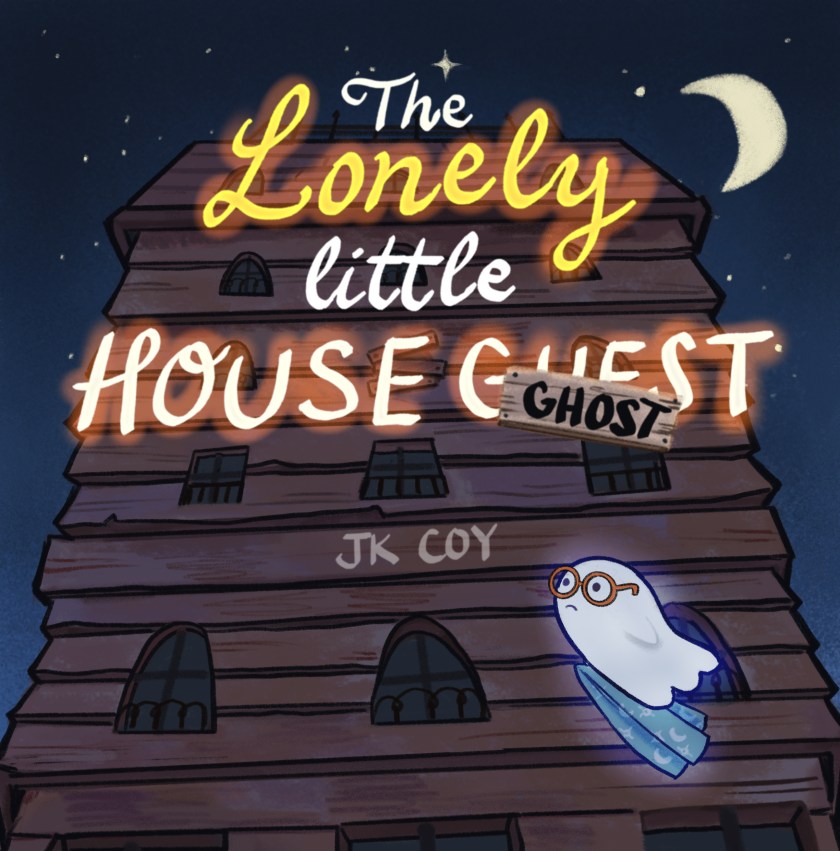
Want your own copy of the Lonely Little House Ghost: a book about friendship for kids 3-9yrs? Grab it here.
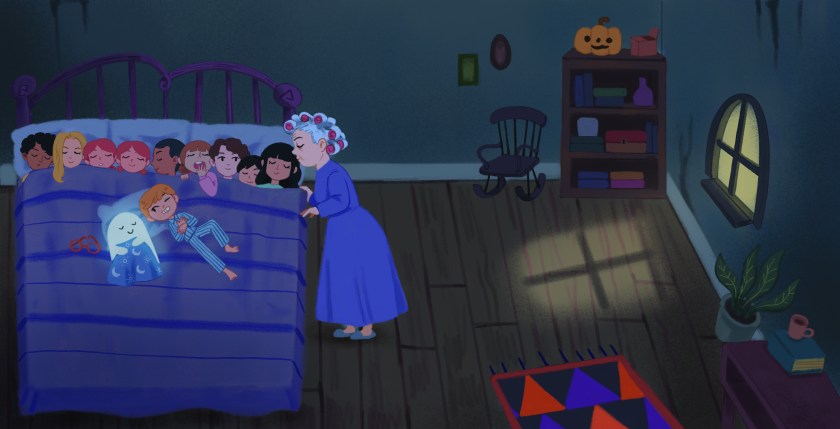
Boo Hoo from the Lonely Little House Ghost
Share the printable with a teacher for a simple activity that coordinates with the book and ties in the theme of how to make friends!
Download the Beyond the Book activity to make your own Rock Caterpillar this weekend, and get a free kids book about money + creative problem solving!
With a three and five year old, we spend a lot of time at the park.
If your family is in the same boat, you may want to try this simple weekend activity. It will make your park visits more fun, and might even put a smile on the face of a stranger.
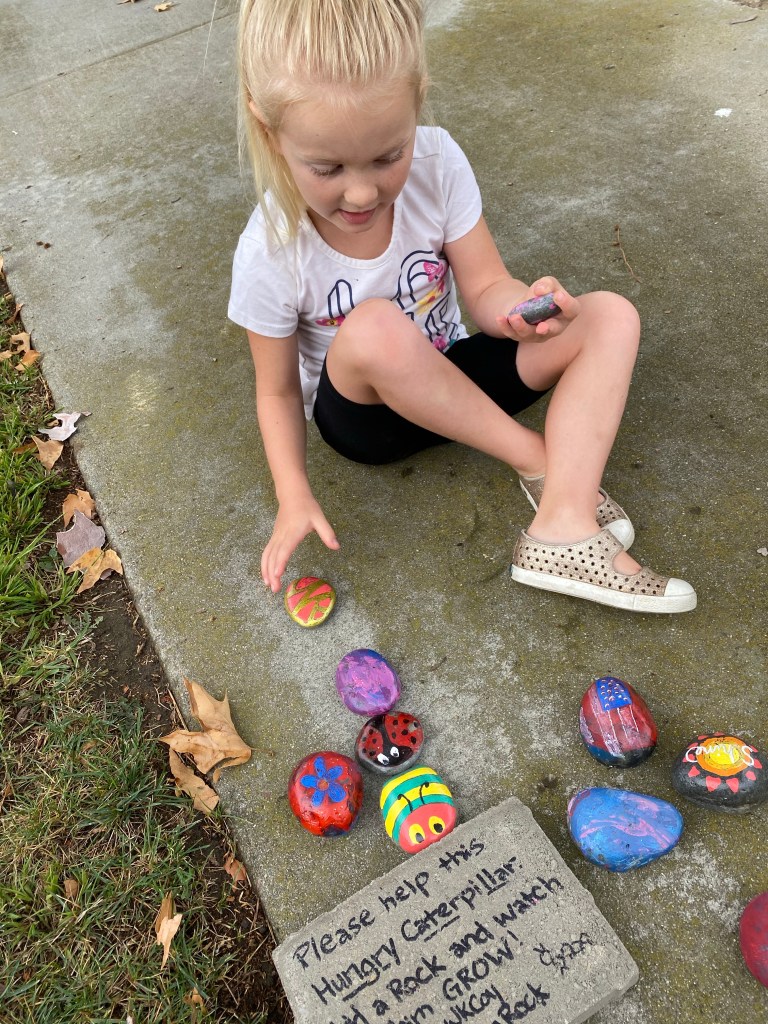
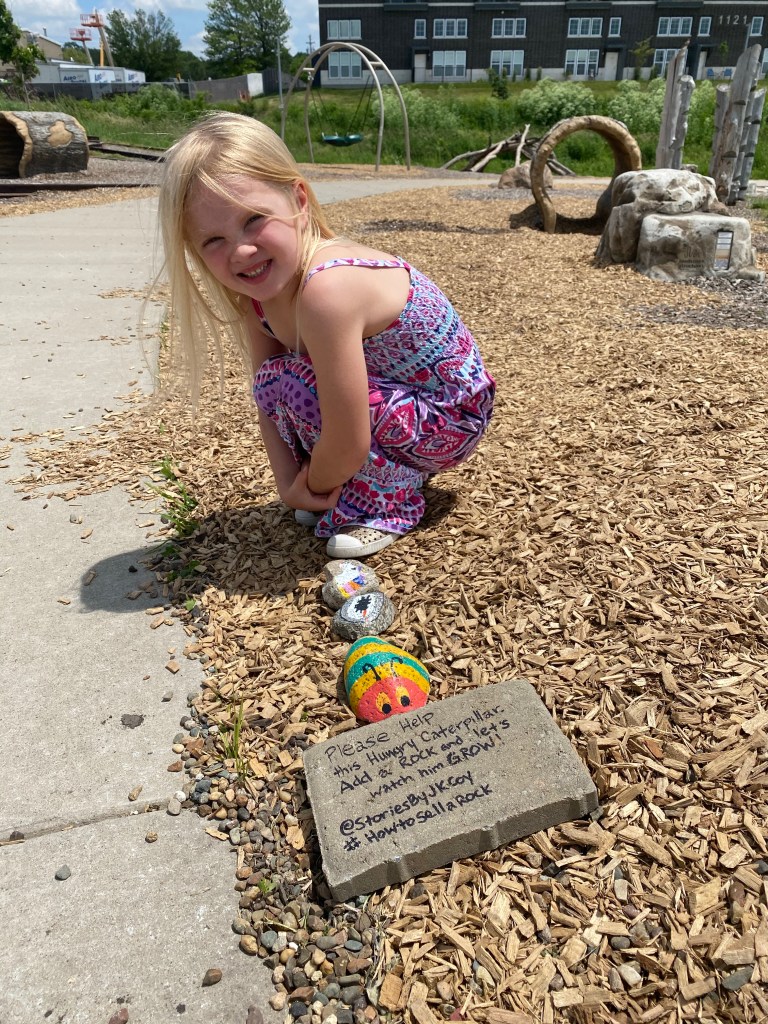
The activity – Rock Caterpillars!
You can download the simple instructions and supply list here.
Each time you visit the park you can bring a fun rock to add.
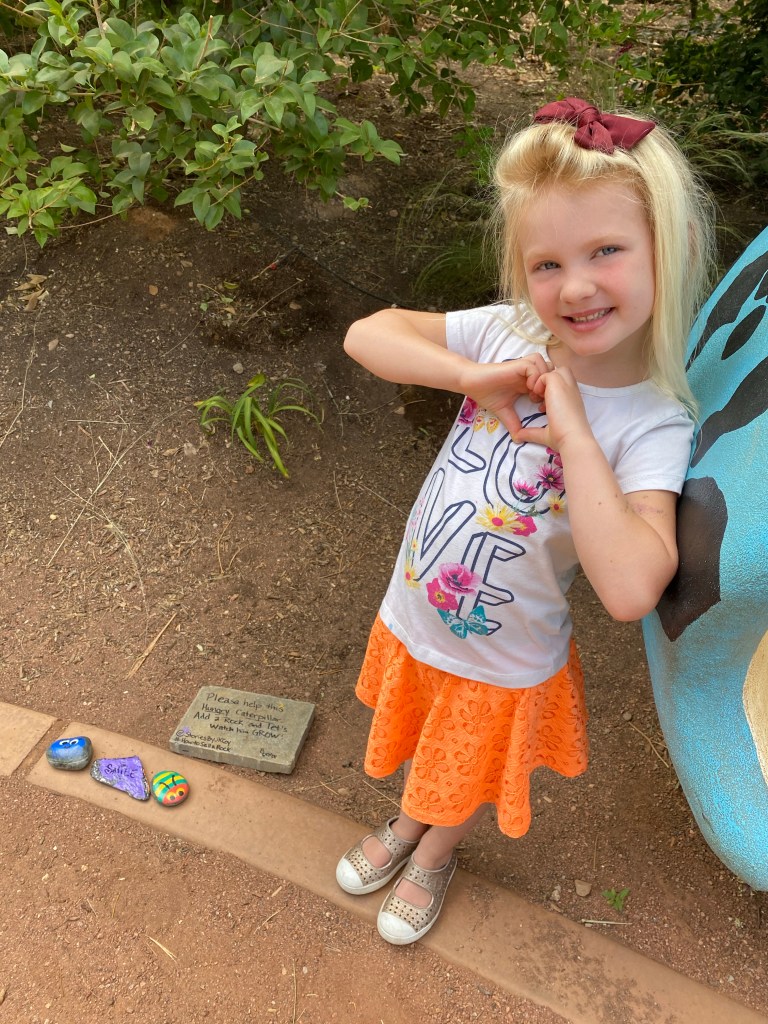
Plus you can “check” on your caterpillar to make sure he’s growing. Hopefully some other people join the fun and you can have new rocks to admire with each visit.
We set up rock caterpillars at various parks across the country during our road trip, and this morning we got to set one up at our very own neighborhood park!
This activity pairs perfectly with my new book that released this week – How to Sell a Rock.
It’s all about a little kidpreneur that has to figure out how to convince his neighbors to buy a rock so that he can afford a new skateboard. Perfect for kids 5-12yrs.
Bonus – the kindle version is FREE on Amazon until Tuesday! Grab it Here, or the paperback here.
Book Description:
Did you ever want something special as a child, but then your parents said, “No – too expensive.”
Your dreams were dashed.
Oh, Sebastian understands. But he decides he won’t take no for an answer once he learns he can make the money himself – even as a child.
When a scrappy little kidpreneur needs money for a skateboard, he’s going to have to learn how to turn his neighbor’s no’s into yeses if he wants to get rich selling rocks.
How will Sebastian convince his neighbors that what they really need is a rock?
This fun kidpreneur story teaches:
Creative problem solving
How to start a business
How to make Money
How to Save Money
Rock Painting Craft Ideas
Social Skills
Self Reliance
Grit
Confidence
Perfect for home or classroom use
Ideal for Ages 5, 6, 7, 8, 9, 10, 11, 12
Visit: MyMomistheWorst.com for activities and freebies related to the book
Last year I wrote THIRTY children’s stories in the month of November.
Want to join me? I made it easy. Just download this list of writing prompts
Last year I wrote THIRTY children’s stories in the month of November.
I was inspired by some friends that were doing #NaNoWriMo and writing an entire novel in one month. Based on a children’s book word count of 500-1k words, I figured I could handle writing a book a day for the month, and thus Children’s Book Writing Month (#ChiBoWriMo) was born .
Kya Mouse, a character created during a writing prompt
I was able to use the stories I wrote last November to publish three books this year (Check out the Smart Girl Fairy Tale Series), and I hope to do it again.
Want to join me? I made it easy. Just download this list of writing prompts here.
Hang it somewhere special and plan at least thirty quiet minutes a day to sit, think, and write.
Trust me, I know a prompt may seem odd when you first read it, but give it five minutes and see where your mind begins to go. Before you know it, you’ll have a rough draft before you.
And a rough draft is all we are going for here. At the end of the month you can read your stories over and pick a handful that deserve a second draft.
Use #ChiBoWriMo on your social posts so we can cheer each other on.
Want an easy recipe that you can make with the kids? Let’s make Friendship Pie.
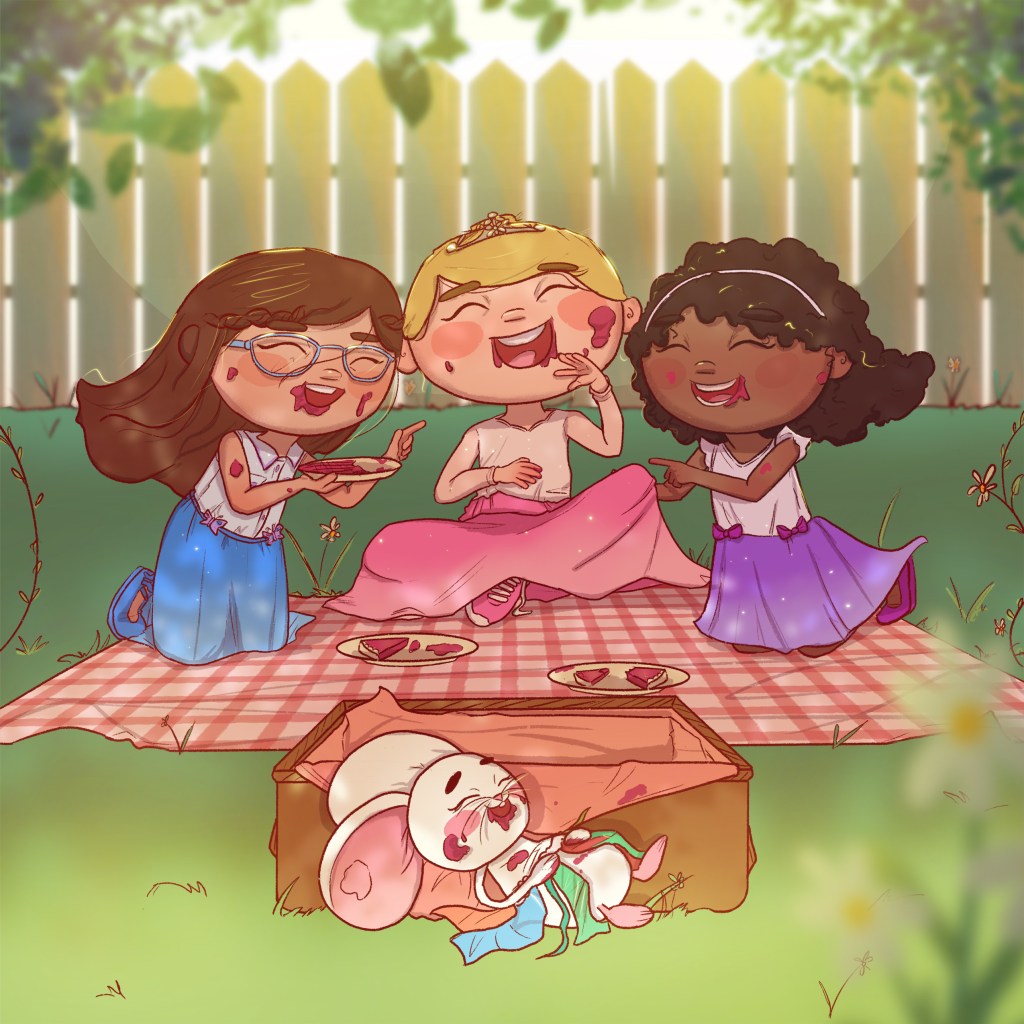
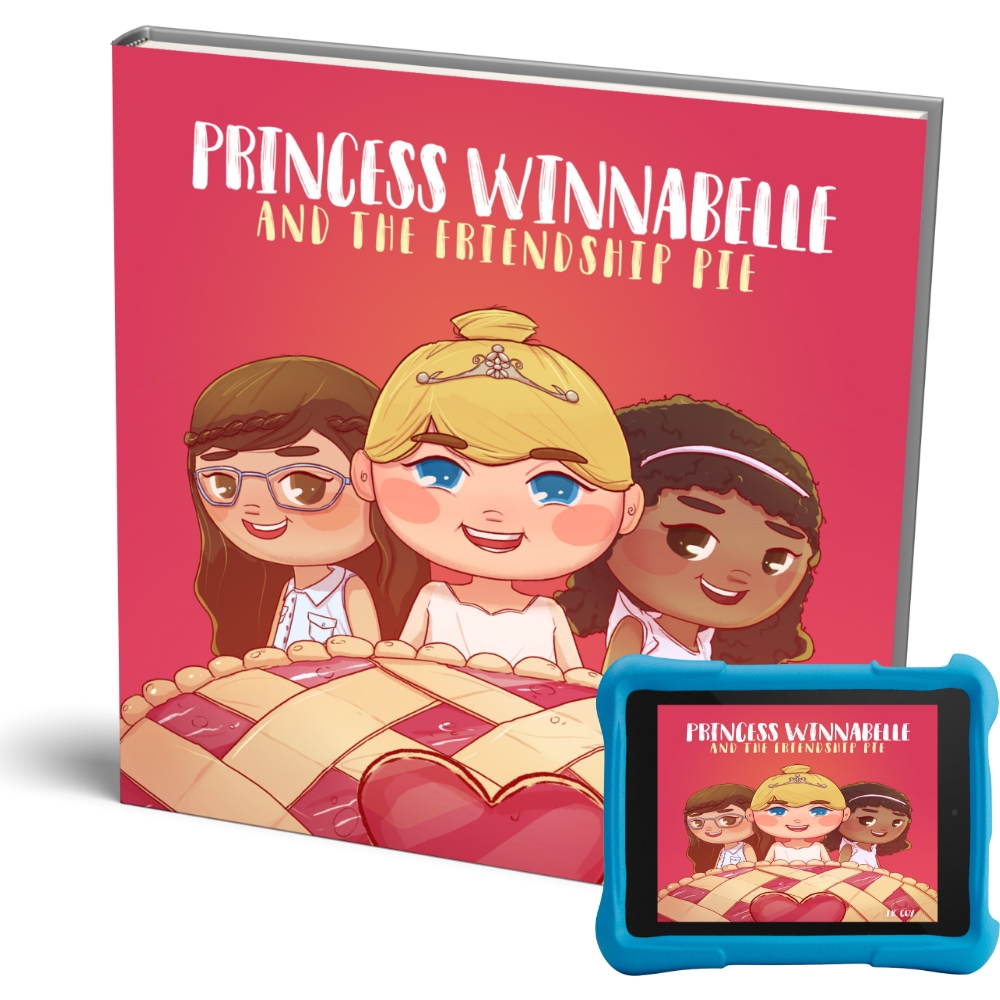
It’s tasty, simple, and pairs perfectly with my newest children’s book release: Princess Winnabelle and the Friendship Pie. It’s a sweet and empowering story for girls – with a fun message of friendship and teamwork baked inside!
Follow the recipe below for a ‘beyond the book’ extension activity. I suggest making two – one for your family and one for a friend. I mean, it is Friendship Pie, it’s meant to be shared!
Princess Winnabelle and the Friendship Pie, Beyond the book activity
Instructions:
Add berries, sugar, and lemon juice to a large saucepan on the stove and heat on medium
Simmer until warm and juicy (about 5-10 minutes) – stir occasionally
Spoon out about 1/2 cup of the juice from the saucepan to a bowl. Stir cornstarch in to the juice until smooth
Bring saucepan of berries back to a simmer and slowly pour the cornstarch mixture in. Stir gently until thickened (2-5 min)
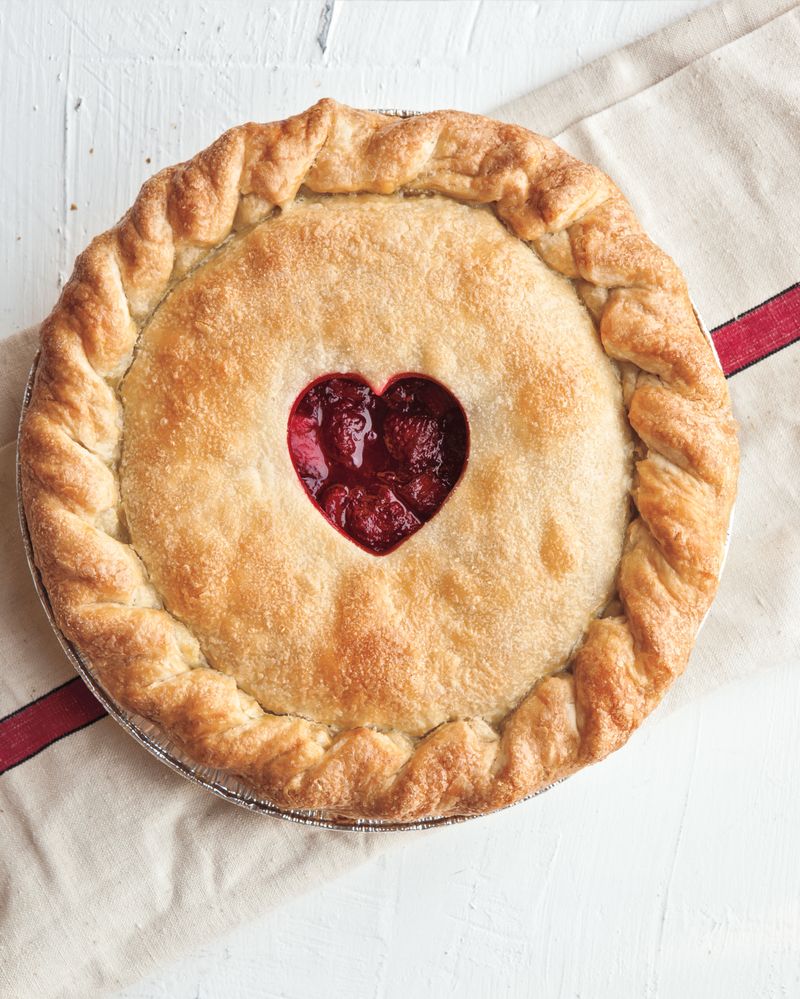
Remove pan from heat and stir in the butter, then allow to cool for 15 minutes. Pour mixture into an unbaked pie crust in a 9″ pie pan.
Use heart cookie cutter to cut out a heart from the center of the additional unbaked pie crust
Lay the 2nd pie crust on top of the berry pie and pinch the top and bottom pie crusts together. Optional: Brush a thin layer of beaten egg white over the top of the pie and sprinkle with a pinch of extra sugar
Bake at 400 degrees F for 40-45 min. Check it at 25 minutes and place a piece of tinfoil over the top if the crust is getting too brown
Remove from oven and cool on a wire rack. Allow it to cool for several hours. Once cooled completely, cut it and serve, or cover it and put it in the fridge to serve the next day.
Tip: You can freeze the baked pie for up to three months! Thaw overnight in the fridge then set it out and let it get to room temperature to serve.
Princess Winnabelle and the Friendship Pie available on Amazon – part of the Smart Girl Fairy Tale Series


















 My Mom is the Worst